AI, Product Innovation And Grey Markets Shape iGaming's Next Phase
AI, Product Innovation And Grey Markets Shape iGaming's Next Phase
iGaming is entering a more demanding stage. Dan Phillips, CEO and founder of NEL Advisory, argues that operators and suppliers can no longer rely on easy growth, light competition or endless game launches. The market now rewards better user experience, stronger retention and clearer execution.
Speaking about the sector's direction, Phillips said product innovation should solve real player problems. That shifts the focus away from volume and towards relevance. For operators, that means improving the player journey, refining recommendations and making existing products work harder.
Innovation Means Better Use, Not Just More Content
Phillips challenges the idea that innovation in iGaming always means creating something wholly new. In practice, many successful formats combine familiar mechanics and present them in a simpler, faster or more engaging way. He points to crash games as a strong example of this product evolution.
This matters because content saturation is now a commercial issue. Releasing hundreds of similar titles can dilute marketing spend and weaken discovery. A more effective route is to personalise proven products, improve onboarding and remove friction across the session.
AI Is Becoming A Core Operating Tool
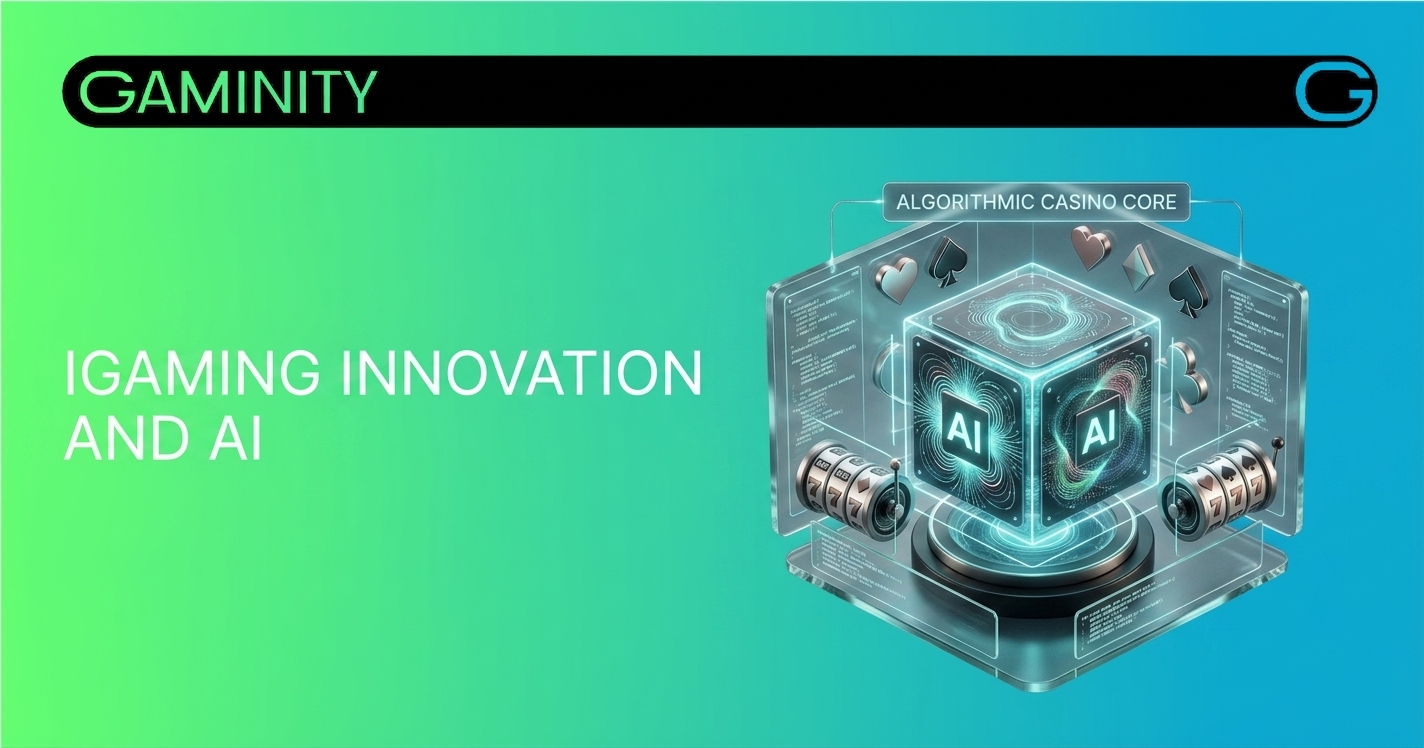
Phillips identifies artificial intelligence as the main driver of personalised gaming experiences. In practical terms, AI can analyse player preferences, refine game recommendations and shape an individual user path without requiring a constant stream of new releases.
He does not present AI as a replacement for people. Instead, he sees it as a productivity tool for development, content and internal communication teams. That includes faster game creation, interface improvements and quicker preparation of assets used across product and marketing functions.
For suppliers, this creates a clear pressure point. Teams that embed AI into daily workflows will improve speed and efficiency. Those that ignore it risk slower delivery, weaker personalisation and higher operating costs.
Open Discussion Reflects Industry Priorities
At iGB L!VE, Phillips is leading an Open Space discussion built around audience participation rather than a fixed panel format. The structure allows attendees to redirect the conversation towards the issues they consider most urgent.
The subjects chosen by participants include AI, player retention, payments, cryptocurrency, multiplayer products and regulation. That mix reflects where commercial focus sits today. Operators want stronger lifetime value, smoother payments and product formats that can deepen engagement without adding unnecessary complexity.
Grey Markets Remain Part Of The Expansion Debate
Phillips also makes a direct point about the difference between regulated, grey and unlicensed markets. He argues that these boundaries are often less clear in practice than they appear in public debate. For many businesses, international growth has involved revenue from less regulated markets before later entry into licensed jurisdictions.
This is a sensitive area for the industry, yet it is commercially relevant. Market entry plans, compliance structures and investment timelines differ sharply by jurisdiction. Suppliers and operators need a realistic view of regulatory risk, not a simplified map of white and black categories.
Why This Matters For iGaming Businesses
The central message is straightforward. Future growth will come from understanding players better, using AI with purpose and improving existing products rather than flooding the market with more of the same. That approach supports stronger retention and better return on development spend.
For advisory firms such as NEL Advisory, the work then extends beyond product. It includes operating efficiency, international expansion, entry into regulated markets, mergers and acquisitions, and team design. In a tougher market, execution quality is becoming a decisive advantage.
Source: R2B.News Telegram