Kazakhstan Blocks 402,000 Gambling Payments Worth Over ₸10bn
Kazakhstan Blocks 402,000 Gambling Payments Worth Over ₸10bn
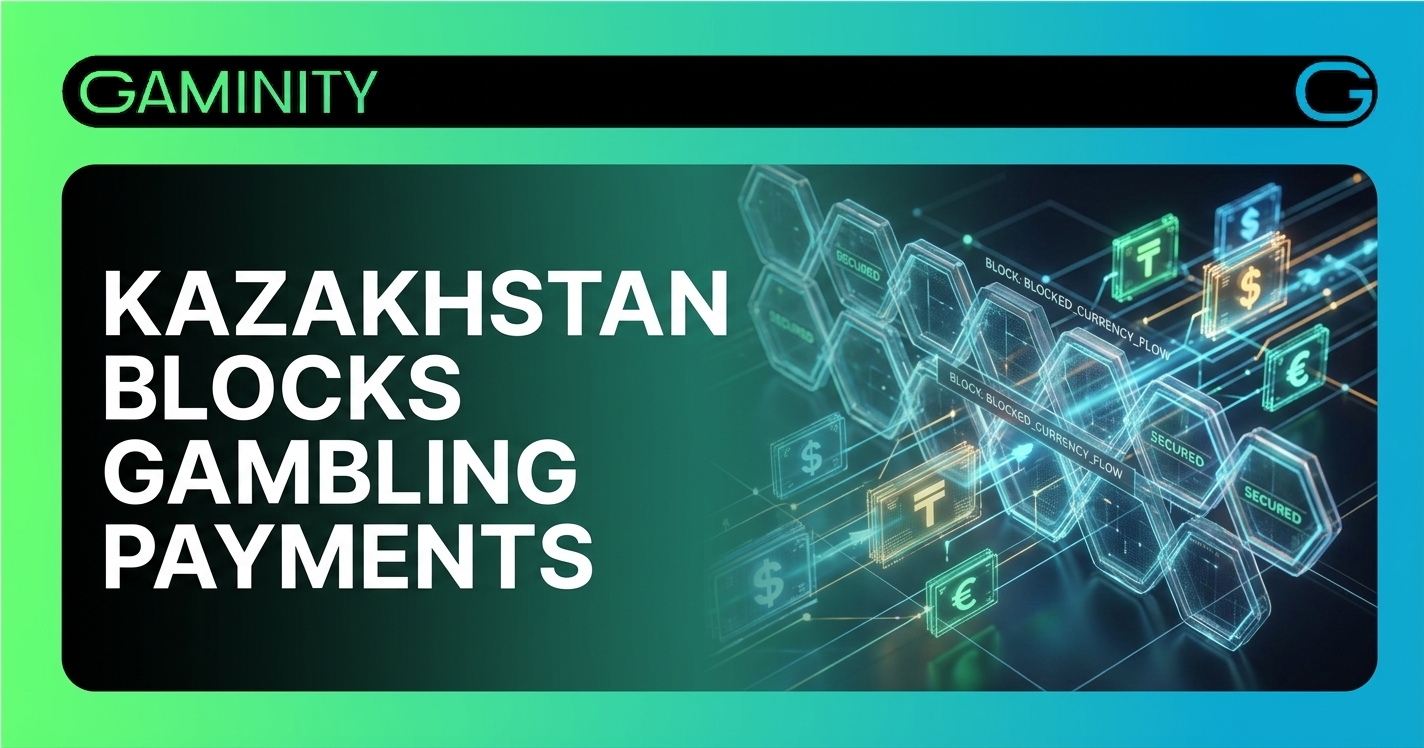
Kazakhstan has intensified its campaign against illegal gambling and gambling harm, with banks blocking 402,000 payment operations linked to gambling. The blocked transactions were worth more than ₸10bn and covered the period from October 2025 to March 2026.
The figures were disclosed by Prime Minister Olzhas Bektenov in a reply to a parliamentary inquiry. The update outlines a broader enforcement drive running from October 2025 to June 2026, combining payment controls, criminal investigations, and digital monitoring.
Payment Controls Expand Across the Market
A total of 110 payment providers have been added to a state list of foreign online casino organisers. Transfers in their favour are now blocked, giving banks and payment firms a clear compliance framework for restricting illegal gambling flows.
For operators and suppliers, this signals a stricter payments environment. Access to approved channels is becoming a competitive necessity, while any exposure to grey market processing creates immediate regulatory and operational risk.
Criminal Enforcement Targets Illegal Casino Networks
Since the start of 2026, authorities have opened 15 criminal cases related to the organisation of online casinos. Law enforcement has also detained 11 managers and employees of financial organisations for allegedly assisting illegal casino activity.
Authorities blocked 1,144 bank cards linked to drop accounts, which are accounts used to move money on behalf of third parties and hide transaction trails. Ten pre-trial investigations are under way under Article 232-1 of Kazakhstan's Criminal Code.
Website Blocking Reaches Industrial Scale
From January to May 2026, Kazakhstan blocked 62,000 websites connected to illegal iGaming operators. Of these, 34,000 were identified by the Unified Accounting System, known locally as ESU.
The scale matters because enforcement is no longer limited to one channel. Payments, websites, and supporting financial infrastructure are being addressed at the same time, making circumvention harder for illegal operators.
Unified Accounting System Filters Player Access
All active betting operators in Kazakhstan are now connected to the ESU. Between 27 March and 7 June, the system identified about 433,000 users and denied 135,000 of them access to gambling.
Among those refused, 116,000 were listed in the debtor register, 15,000 had imposed self-restrictions, and 4,000 were blocked under other controls. Debtors accounted for 86% of all ESU refusals.
This shows how centralised player verification can reshape market access. For licensed operators, it improves rule enforcement and standardises checks. For regulators, it creates a live control point over eligibility, rather than relying on operator-level monitoring alone.
Why The Kazakh Model Matters
Kazakhstan's approach combines financial blocking, player screening, and criminal enforcement in one operating model. That makes the market a useful case study for jurisdictions looking to tighten oversight without relying on a single tool.
For the wider iGaming sector, the message is clear: compliance infrastructure now matters as much as product capability. Operators that can integrate identity checks, payment monitoring, and exclusion controls will be better placed to meet tougher regulatory expectations.
Source: Tengrinews