When Pop-Ups Boost Conversion, Then Drive VIPs Away
When Pop-Ups Boost Conversion, Then Drive VIPs Away
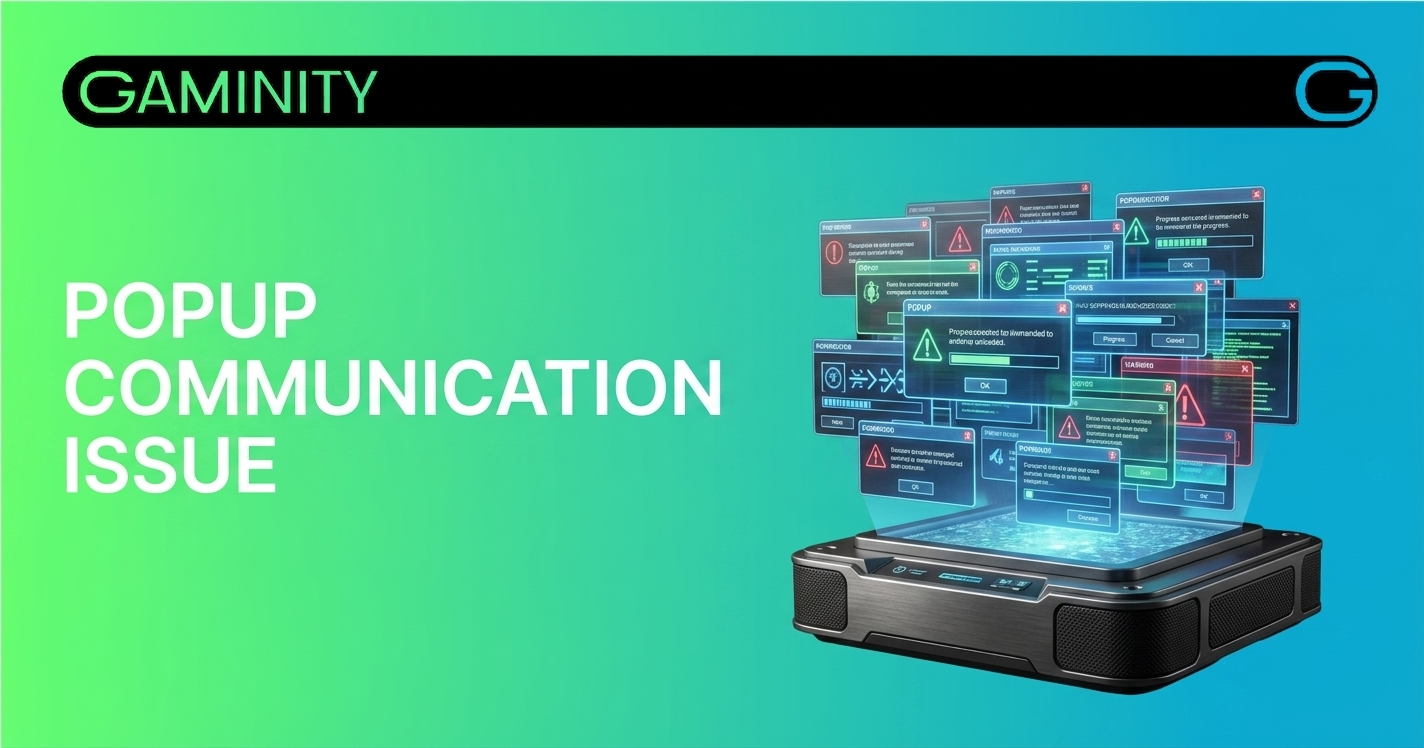
A product team reported a costly communication failure after a long-standing VIP player chose self-exclusion. The player had ranked among the top monthly turnover users for two years and had not shown negative behaviour before the incident. The trigger was simple: too many pop-ups interrupted the session and created enough frustration for the player to leave.
The case matters because pop-ups remain one of the most effective conversion tools in iGaming. They can move a player from message to click to action very quickly. Yet the same mechanic can reduce deposits, damage loyalty and interrupt core journeys when teams lose control of frequency, timing and placement.
What Went Wrong In The Session
Review of the final session showed that the player closed one pop-up only to receive another immediately. More pop-ups appeared in the cashier, then again after leaving the game. The repetition turned normal engagement prompts into friction across the most sensitive parts of the product.
The underlying issue came from several campaign errors happening at once. Multiple teams had launched pop-up communications during the same week. One campaign was configured incorrectly and appeared in the cashier. Another delivered irrelevant information. Some trigger rules were also set badly, so a single login event pushed the player into several campaigns at once.
Why This Hits Revenue Fast
The most direct commercial signal was a drop in deposits on the same day. That result is not surprising. The cashier is a high-intent environment where players expect speed, clarity and trust. Interruptions there can break concentration and create doubt at the exact moment a deposit decision is being made.
For operators, this is a reminder that communication performance cannot be judged only by click-through rate. A pop-up may convert well in isolation and still hurt wider product metrics. If it delays deposits, disrupts gameplay or irritates high-value users, the net effect becomes negative.
The Operational Lesson For iGaming Teams
The strongest lesson is governance. Operators need one control layer that limits how many campaigns a player can receive, regardless of which department launched them. Without that layer, CRM, retention, bonus and product teams can all create valid campaigns that combine into a poor player experience.
Clear exclusion zones also matter. The cashier, slot lobby and active gameplay session should be protected from intrusive overlays. Those areas support the product's main commercial and entertainment functions. When pop-ups cover them, the communication starts competing with the experience it was meant to improve.
What Better Pop-Up Management Looks Like
A practical framework starts with campaign prioritisation. If several messages qualify at once, the system should show only the highest-value one and suppress the rest. Frequency caps should apply across teams, not only inside one campaign. Trigger logic should also be tested against real user journeys, especially login, exit intent and payment flows.
Operators should also measure negative signals, not just conversions. Session abandonment, deposit drop-off, repeated message closes and self-exclusion after heavy messaging all reveal where automation has crossed into pressure. In regulated markets, that visibility supports both commercial performance and a healthier player experience.
This case is a sharp example of a familiar iGaming truth. Automated on-site communication works. Unchecked communication volume does not. The difference sits in orchestration, relevance and respect for the player's journey.
Source: igamingceo Telegram