How Gamification Lifts LTV And Cuts Churn In iGaming
How Gamification Lifts LTV And Cuts Churn In iGaming
Classic iGaming products often lose players after the first deposit bonus cycle. A player claims the offer, clears wagering requirements and leaves. Gamification changes that pattern by adding a meta-layer of progress across the platform, giving players reasons to return beyond a single session or one-off reward.
Why Gamification Changes Retention
When a platform introduces missions, levels and unlockable rewards, play becomes part of a broader journey. That structure builds habit and gives each session a visible purpose. For operators, this means stronger daily activity and more consistent engagement across the customer lifecycle.
Features That Drive Measurable Impact
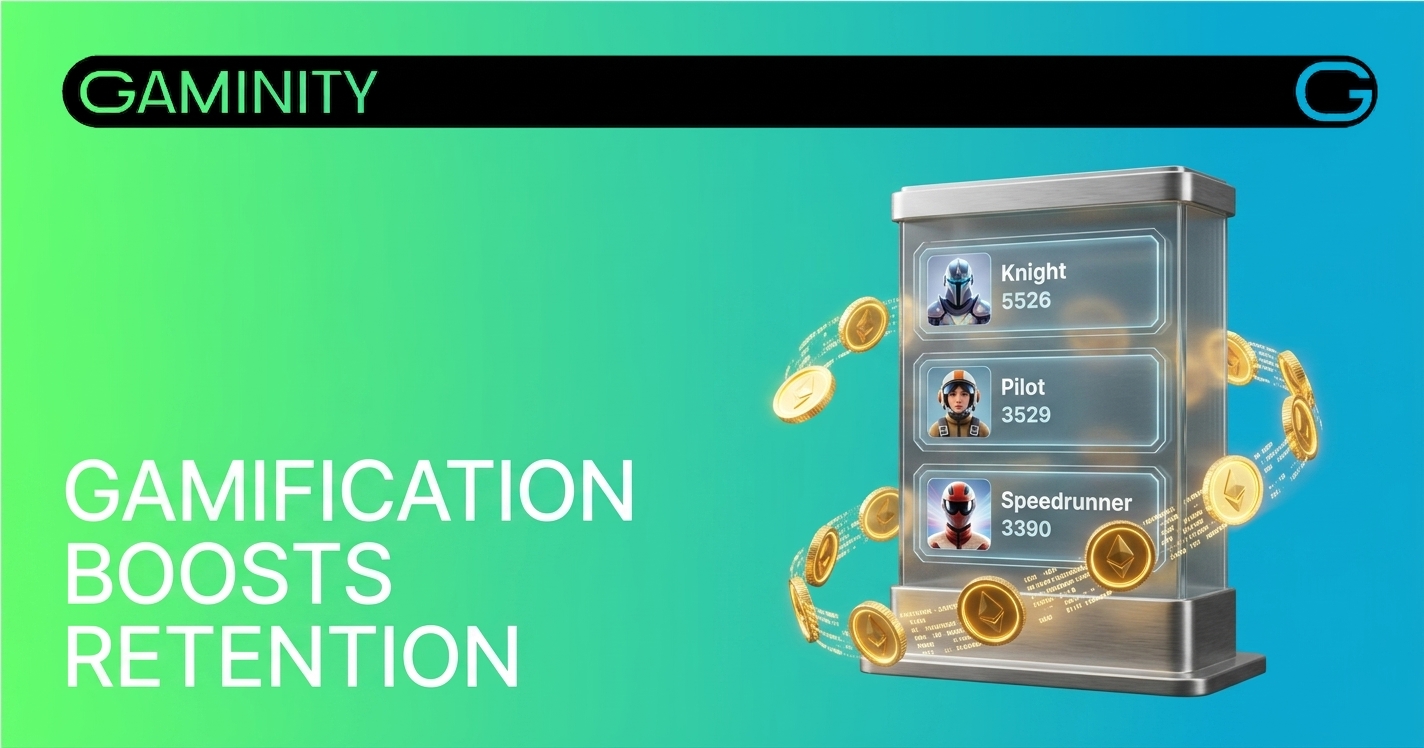
Journey maps and missions turn task lists into visual progress paths. Players complete small objectives, such as making spins with a specific provider or returning on consecutive days. This format supports higher DAU and can extend average session length by 20 to 30 per cent.
Internal currencies and bonus shops give players more control over how rewards are used. Instead of receiving fixed promotions, they can spend earned coins on selected benefits, including free spins. That sense of choice helps improve satisfaction, while bonus spend becomes more efficient. Re-deposit rates can rise by 12 to 15 per cent.
Layered loyalty systems and profile customisation create identity within the product. VIP levels, badges, frames and avatars give status a visible form. This increases emotional attachment and raises the cost of switching to a rival brand. At higher tiers, churn can fall by three to four times.
Why The Model Works Commercially
Gamification shifts player attention away from chasing entry bonuses and towards progressing through the platform. That reduces bonus hunting and can lower the share of fraudulent or low-value traffic. It also supports longer player lifecycles, which is central to improving lifetime value.
The economic logic is simple. Internal motivation, such as status, unlocks and collectibles, is often cheaper than repeated cash-led incentives. If players stay active for longer and return more often, operators can improve retention efficiency without relying on higher promotional costs.
Latin America Shows Strong Potential
Brazil, Argentina and Chile stand out as markets where gamification can produce outsized results. Lower average ticket sizes are balanced by market scale and repeat participation. In these environments, visual design, social competition and culturally relevant content carry extra weight.
Tournament leaderboards can increase betting frequency by 40 per cent. Achievement systems can lift day 7 and day 30 retention by 18 per cent. Missions that reflect local culture can also improve NGR without increasing marketing spend, giving operators a clearer route to efficient growth.
What Operators Should Take From This
Gamification is not a cosmetic layer. It is a retention system that restructures how value is created over time. Operators that connect missions, reward choice, loyalty depth and localised content can build stronger engagement and reduce dependence on expensive bonus cycles.
For suppliers and platforms, the opportunity is equally clear. The most effective tools are those that let brands tailor journeys by market, segment and product category. That flexibility will matter more as operators look for scalable ways to improve LTV and reduce churn across diverse player bases.
Source: igamingceo Telegram