Gamified Language Apps Draw Comparisons With Soft Gambling
Gamified Language Apps Draw Comparisons With Soft Gambling
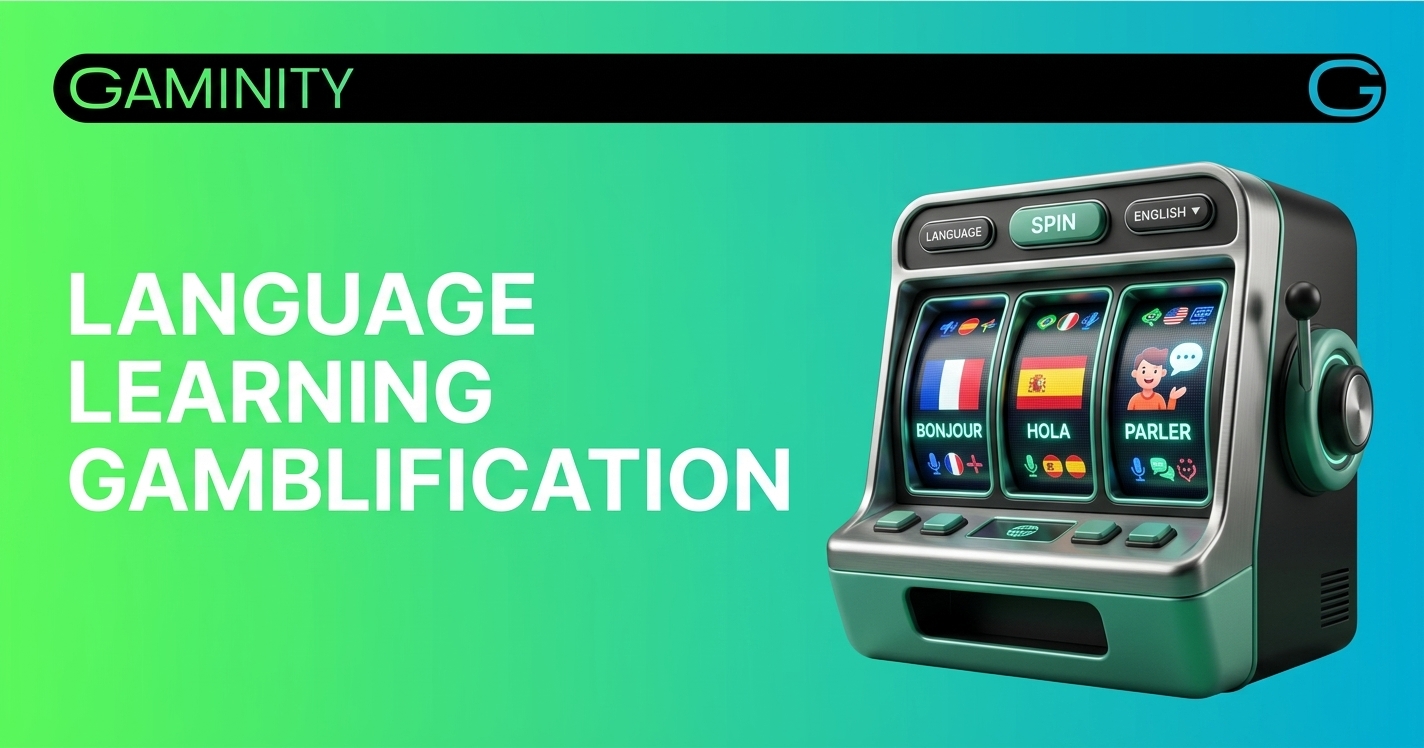
A discussion on the «Highroller Thursdays» broadcast explored similarities between heavily gamified language learning and soft gambling. The focus was a type of user described as a language collector, someone who starts five to seven languages but fails to reach confident fluency in any of them.
The argument is simple: both activities can deliver frequent dopamine-led rewards. In gambling, that reward comes from a win. In language apps, it comes from the feeling of fast progress, novelty and visible achievement inside the product.
How Reward Loops Shape Behaviour
The comparison centres on variable rewards and near-win mechanics. Users often feel they are close to a breakthrough, then switch to a new language when progress slows. That reset restores novelty and recreates the early reward cycle.
For product teams, this is a familiar engagement pattern. Short feedback loops, streak systems and unlockable rewards can increase retention, but they can also encourage shallow repetition rather than meaningful mastery.
Status, Identity And Performance Gaps
The broadcast also argued that status plays a major role. Saying “I know five languages” carries social value, even when real comprehension remains limited. In practice, a simple test such as watching a cartoon without subtitles may expose a large gap between app progress and actual skill.
This matters for operators and suppliers because it highlights a wider truth about digital engagement. Users often respond more strongly to visible markers of achievement than to slower, less glamorous outcomes.
Why This Debate Matters Beyond EdTech
The most relevant point for the iGaming sector is regulatory framing. The speakers suggested that language apps are unlikely to face immediate restrictions, yet gamified education products could eventually be examined through the same lens as loot boxes and soft gambling.
That is not a trivial comparison. In several markets, loot boxes have already attracted gambling-style scrutiny. When a learning app includes reward chests, progress streaks and competitive leagues, regulators may start asking whether those mechanics influence behaviour in ways that resemble chance-based entertainment.
Commercial Implications For iGaming
The discussion also touched on audience crossover. Users who respond strongly to gamified progression may be highly receptive to adjacent entertainment products, particularly mobile-first formats delivered through messaging platforms and multilingual interfaces.
For B2B iGaming companies, the opportunity lies in understanding motivation, reward tolerance and conversion pathways without blurring compliance lines. The lesson is clear: engagement design travels across sectors, but regulation can follow just as quickly when products begin to look and feel alike.
Source: [highroller_channel] Telegram