Kazakhstan Betting Market Contracts After ESU Launch
Kazakhstan Betting Market Contracts After ESU Launch
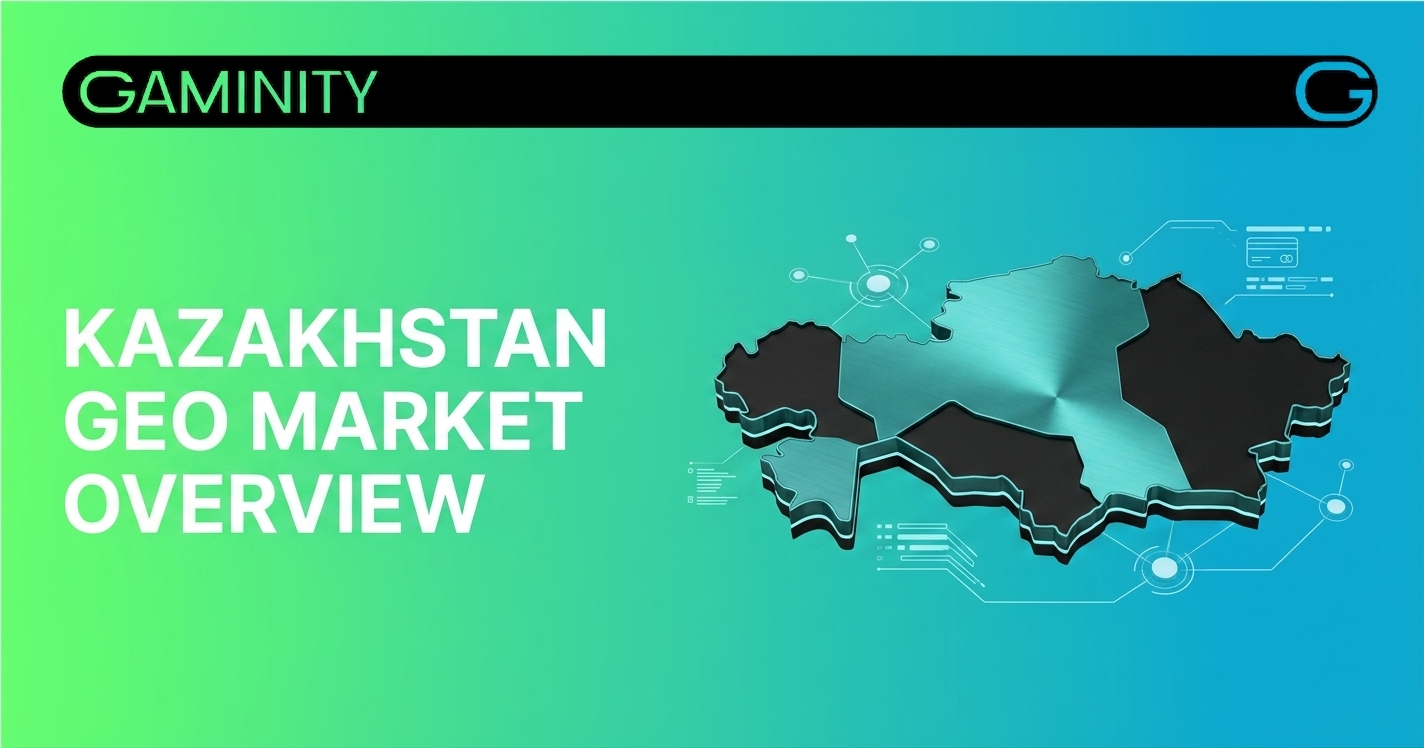
Kazakhstan remains a mature betting market, yet recent regulation has changed its short term trajectory. Blask reports annual market growth of 3.24%, while its market interest index has fallen since March 2026. That shift follows the launch of ESU, a unified accounting system that changed how licensed operators connect to state services and process payments.
The country allows sports betting, but online casino remains prohibited. Blask places Kazakhstan’s CEB, or forecast revenue baseline, at $1.17 billion. Its APS, which estimates potential player acquisition, stands at 4.64 million, putting the market alongside larger international peers on player potential despite a smaller population base.
What Changed In March 2026
At the start of March 2026, licensed brands were required to integrate with several state systems and route all payments through NomaPay. A number of operators did not complete that process in time. Legal products then began losing access to payment systems, which meant they could no longer accept wagers in practice.
The impact was immediate. Blask Index data moved from 13.41 million in February to 8.3 million in March, then to 6.26 million in April. For operators, this is a clear example of how technical compliance can become a direct revenue issue when payment infrastructure and regulatory reporting are tightly linked.
Offshore Brands Gain Attention
As regulated brands lost operational continuity, interest in offshore operators increased 2.9 times. Blask tracked offshore share at 2.91% in February, 6.31% in March and 8.39% in April. When licensed channels become harder to use, demand does not disappear. It shifts to alternatives that are easier for players to access.
That trend matters for regulators as much as for suppliers. Payment controls and central monitoring are designed to improve oversight, yet poor implementation windows can weaken the licensed market. In practical terms, channelisation suffers when compliant operators are offline and offshore brands remain available.
Brand Concentration Defines The Market
Demand in Kazakhstan is still led by locally licensed brands. Olimpbet holds the leading position with a BAP, or Brand’s Accumulated Power, of 56.35%. The second largest brand sits far behind, and the top two operators account for almost 90% of total BAP. That gives the market a pronounced duopoly structure.
There were also notable year on year gains among smaller brands. Pinco rose 203.9% to reach tenth place, while Ubet climbed 683.5% to fourteenth. For suppliers and affiliates, those movements suggest there is still room for challenger brands to capture attention, even in a concentrated market.
Why The Market Still Matters
Kazakhstan has now overtaken Chile, South Korea and Denmark on Blask’s CEB measure. That places it in a meaningful revenue tier for betting businesses assessing regional expansion. The comparison with Greece is also telling: APS is nearly identical in both markets, despite Kazakhstan having around twice the population scale difference referenced in the report.
For B2B providers, the lesson is straightforward. Kazakhstan offers real demand, but market access depends on local compliance readiness, payment integration and regulatory timing. Operators that adapt quickly to state connected infrastructure will be better placed to retain players when the framework tightens.
Source: igamingceo Telegram