Why Most iGaming Reactivation Campaigns Miss the Window
Why Most iGaming Reactivation Campaigns Miss the Window
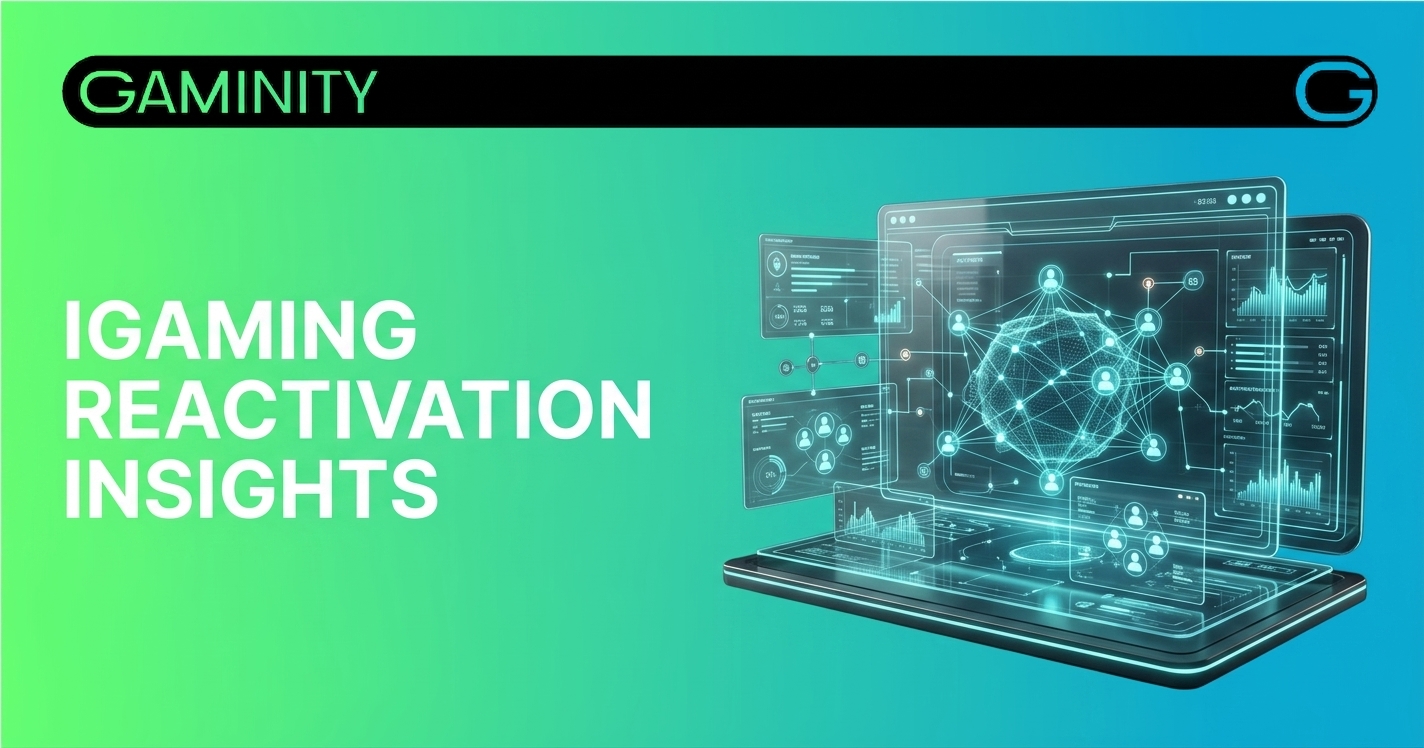
Most iGaming reactivation campaigns fail before they even reach the player, according to Roman Yavorskiy, Head of Casino Product at NDA. The core problem is not the offer or the timing of a single message. It is the operating model behind the campaign, especially late segmentation and slow decision-making.
Yavorskiy says the most effective reactivation window for many player segments falls between day seven and day ten of inactivity. By day 14, a large share of users has already made the next deposit with a rival brand. By day 30, new habits are often set, and the original operator may no longer be part of the player’s consideration.
Late Segmentation Breaks Campaign Performance
Many operators still refresh inactivity segments on a weekly basis. That creates a costly delay. A player may only be marked as inactive after 10 days, which means the brand starts outreach just as the best opportunity is fading.
For operators, this is a workflow issue as much as a marketing issue. If CRM systems, data pipelines, and campaign rules do not update quickly, even well-funded retention activity loses impact. Faster segmentation gives teams a better chance to reach players before competitor spend takes over.
Trigger Based Journeys Beat Fixed Schedules
Yavorskiy highlights trigger based flows as the first essential principle. Instead of relying on fixed campaign calendars, operators should react to changes in a player’s normal behaviour. That could mean a missed login, a skipped deposit, or silence during a usual playing period.
This matters because inactivity is rarely identical across the player base. A regular Tuesday evening slot player and a weekend live casino high value customer show different patterns. Trigger based systems let operators detect those shifts earlier and respond with more relevant messaging.
Personalisation Must Reflect Real Player Habits
The second principle is personal contact shaped around actual player behaviour. Generic offers such as free spins sent to everyone are losing effectiveness. Players now expect messaging that matches their preferred product, timing, and value profile.
For suppliers and operators, this raises the importance of behavioural analytics. Personalisation in this context means using first party data to tailor the content, cadence, and incentive. That improves relevance, reduces wasted bonus spend, and helps protect margins.
Channel Order Matters More Than Channel Volume
The third principle is channel sequencing. Yavorskiy recommends email first. If the message is not opened, a push notification should follow 24 hours later. SMS should be reserved for valuable segments and used sparingly.
Many operators contact players across every available channel at once. That can train users to ignore outreach entirely. A disciplined sequence supports better engagement, avoids message fatigue, and gives each channel a clearer role within the reactivation journey.
What This Means For The Market
The wider lesson is clear. Reactivation is not simply an incentive problem. It is a timing and relevance problem, supported by operational speed. Operators that modernise segmentation and automate player level triggers can recover more value from their existing database.
That creates a direct commercial advantage. Acquiring new players remains expensive across regulated markets, so improving reactivation efficiency offers a cleaner route to revenue. Teams that act inside the early inactivity window will be better placed to retain share and reduce churn.
Source: iGaming Inside Telegram