The Intricacies of Game Distribution in iGaming: Aggregators Explained
The Intricacies of Game Distribution in iGaming
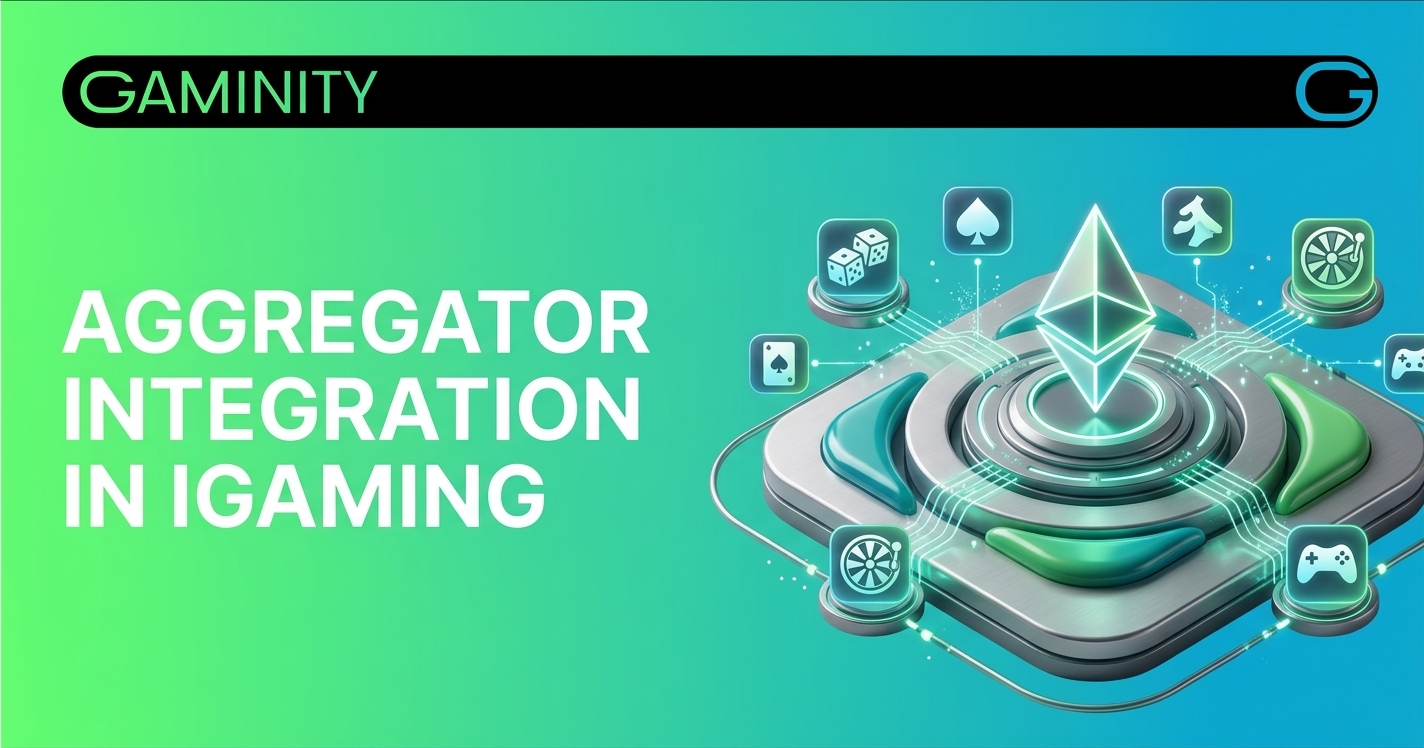
Aggregators play a crucial role in the iGaming landscape, serving as hubs that connect game providers and operators with ease. They act as marketplaces, allowing operators to access vast libraries of games through simplified integration processes. Instead of individual deals with each provider, operators can swiftly connect with numerous games, akin to 'choosing each other' on a mutual platform.
Understanding Aggregators and Platforms
An aggregator streamlines the process, enabling game providers to integrate with casinos with minimal effort. In contrast, direct casino integration is technically challenging, often consuming more resources and time. Examples of aggregators include Hub88, St8, and Slotegrator.
Casino platforms, on the other hand, may incorporate aggregators but often focus on different aspects such as licences, payment solutions, and management systems. While aggregators profit from both operators and providers, platforms charge for a range of solutions. Examples of platforms include EveryMatrix and SOFTSWISS.
The Pros and Cons
Aggregators reduce market entry time through single integrations, but they impose limitations on operational flexibility and long-term profitability. Despite offering ease and speed, they involve extensive middle management and slow decision-making processes due to complex agreements. In contrast, direct integration, although time-consuming and resource-intensive, allows greater financial advantage and operational adaptability in the long run.
Ebaka Games advocates for a combined approach, utilising both aggregators and platforms to maximise trust and reach among operator staff. This dual strategy leverages the reputation of large aggregators and enables direct partnerships for enriched collaboration.
Source: highroller_channel Telegram